



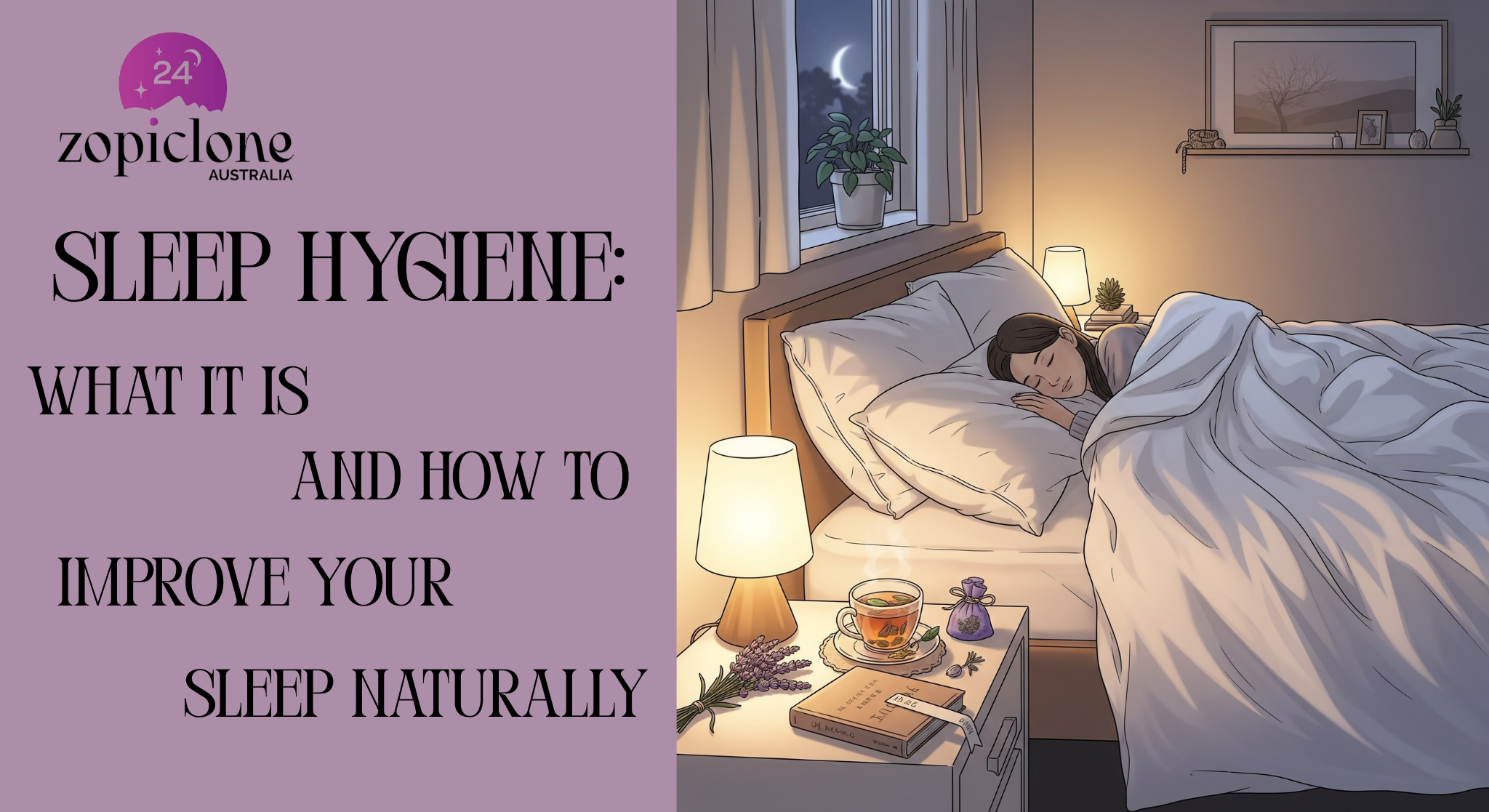
Sleep Hygiene: What It Is and How to Improve Your Sleep Naturally
Table of Contents
You’ve probably been there, lying in bed at 2 AM, staring at the ceiling, mentally adding up how many hours of sleep you’ll get if you fall asleep right now. Then 3 AM rolls around, and you’re still awake, getting more frustrated by the minute.
Here’s what nobody tells you: most of us were never actually taught how to sleep well. We assume it just happens, like breathing. But the reality? Sleep takes practice, especially in today’s world, where our phones ping every five minutes, and our brains won’t stop replaying that awkward thing we said three years ago.
That’s where sleep hygiene comes in. And trust me, it’s got nothing to do with showering before bed.
What Is Sleep Hygiene?
Sleep hygiene is basically all the habits and conditions that help you actually sleep well. Think of it like this: you wouldn’t expect your car to run smoothly if you never changed the oil or filled it with bad gas, right? The same goes for sleep.
It’s your daily routines, your bedroom setup, what you eat and drink, when you exercise, all these things either help or hurt your chances of getting decent rest. There’s no single magic trick. It’s more like building a lifestyle that makes good sleep possible.
Why Sleep Hygiene Is Important
Let’s be real, one bad night makes you grumpy and unfocused. But weeks or months of poor sleep? That’s when things get serious.
Your immune system weakens. Your memory gets fuzzy. You’re more likely to snap at people you care about. Long-term, you’re looking at increased risks for heart problems, weight gain, and even depression.
When you practice good sleep hygiene, you’re basically helping your body do its nightly maintenance work, fixing damaged cells, organizing memories, and balancing hormones. Wake up refreshed, and suddenly everything else in life feels more manageable.
Signs of Poor Sleep Hygiene
Not sure if your sleep habits need work? Here are the red flags:
You regularly lie awake for 30+ minutes trying to fall asleep. You wake up multiple times every night. Mornings feel like torture, even after eight hours in bed. You need three cups of coffee just to function like a human. Your sleep schedule is completely random, bedtime at 10 PM one night, 2 AM the next.
Sound familiar? Don’t panic. These patterns can be changed.
Common Causes of Bad Sleep Habits
Most people develop terrible sleep habits without realizing it. Maybe your job has weird hours. Maybe you got into the habit of watching Netflix in bed. Maybe stress has your mind racing every night.
For a lot of us, it starts innocently. You check your phone “real quick” before bed, then suddenly it’s an hour later, and you’ve fallen down a TikTok rabbit hole. Or you drink coffee at 4 PM because you’re tired, not connecting the dots that the coffee is why you couldn’t sleep last night in the first place.
Sometimes we just copy what we saw growing up. If your parents stayed up late watching TV every night, you probably do too. Nobody sat you down and explained that your bedroom should be for sleep, not scrolling through social media.
Good Sleep Hygiene Habits for Better Sleep
Improving your sleep doesn’t require buying expensive gadgets. It’s about changing small things consistently.
Stick to a Schedule
Go to bed and wake up at the same time every day. Yeah, even weekends. I know, it sounds like a prison sentence. But your body runs on an internal clock, and when you mess with it constantly, everything goes haywire.
Give it two weeks of consistency. You’ll start getting sleepy at the right time naturally, without fighting yourself.
Fix Your Bedroom
Your bedroom should feel like a cave, cool, dark, quiet. Aim for around 65°F if possible. Get blackout curtains or a sleep mask. Even tiny amounts of light can mess with your melatonin.
If you live somewhere noisy, try a fan or white noise machine. And seriously consider upgrading your mattress if it’s old and lumpy. You spend a third of your life in bed, make it count.
Ditch the Screens
This is the hardest one for most people. Put your phone away at least an hour before bed. The blue light tells your brain it’s daytime, killing your natural sleepiness.
Read an actual book instead. Take a bath. Listen to music. Do literally anything that doesn’t involve staring at a glowing rectangle. Your Instagram feed will still be there tomorrow.
Night Routine for Healthy Sleep
Build yourself a wind-down routine. Nothing fancy, just something that tells your brain “okay, we’re done for the day.”
Start an hour before bedtime. Dim the lights around your house. Take a warm shower. The temperature drop afterward actually makes you sleepier. Read something boring. Do some gentle stretches.
Whatever you choose, do the same things in the same order every night. Your brain will catch on and start preparing for sleep automatically.
Skip anything that gets your heart racing or your mind spinning. No checking work emails. No watching horror movies. No starting arguments with your partner about whose turn it is to clean the bathroom.
Daytime Habits That Improve Sleep
What happens during the day affects your night more than you’d think.
Get outside in the morning, even for 15 minutes. Natural light resets your internal clock and makes you more alert during the day, which means you’re sleepier at night.
Exercise helps tremendously, but watch your timing. Working out too close to bedtime can wind you up. Finish any intense exercise at least four hours before you want to sleep.
Cut off caffeine by early afternoon. I know that 3 PM coffee feels necessary, but caffeine sticks around in your system for hours. If you’re struggling to improve sleep quality, this might be your culprit.
Things to Avoid Before Bed
Don’t eat a huge meal right before bed. Your body will be too busy digesting to sleep properly. Finish dinner a few hours before bedtime if you can.
Alcohol is tricky. Sure, it might knock you out initially, but it wrecks your sleep quality later in the night. You’ll wake up repeatedly and never hit that deep, restorative sleep you need.
Late naps can also sabotage your nighttime sleep. If you must nap, keep it under 30 minutes and do it before 3 PM.
Learn more about sleep disorders from sleep experts
How Long Does It Take to Fix Sleep Hygiene?
Be patient. You won’t become a perfect sleeper overnight, kind of ironic, right?
Most people notice some improvement within a week or two. But fully resetting your sleep patterns usually takes a month or more. The catch? You have to be consistent. Doing this stuff occasionally won’t help.
Some nights will still be rough. That’s normal. Don’t let one bad night make you give up on the whole thing.
Sleep Hygiene Tips for Adults
Adults deal with specific sleep challenges, job stress, family drama, and bodies that don’t work quite like they used to.
If worry keeps you awake, try a “brain dump” journal. Spend five minutes before bed writing down everything swirling around in your head. Getting it out of your brain and onto paper helps.
Relaxation techniques can really help, too. Try progressive muscle relaxation, where you tense and release each muscle group. Or download a meditation app. Even five minutes of deep breathing can calm a racing mind.
Remember that everyone’s sleep needs are different. Don’t obsess over getting exactly eight hours. Focus on waking up feeling decent instead of chasing a number.
When to Seek Help for Sleep Problems
Sometimes, despite doing everything right, sleep still doesn’t come. If you’ve practiced good sleep hygiene for several weeks with no improvement, talk to a doctor.
You might have sleep apnea, where you stop breathing during the night. Or restless leg syndrome. Or actual clinical insomnia that needs professional treatment. These conditions won’t fix themselves with better habits alone.
Sleep problems can also signal other health issues, thyroid problems, depression, and chronic pain. Don’t tough it out indefinitely. Getting help isn’t admitting defeat. It’s taking care of yourself.
Read More: https://zopiclone-australia24.com/sleep-meditation-music-guide/0
Frequently Asked Questions
What are the basic rules of sleep hygiene?
Keep a consistent sleep schedule, make your bedroom cool and dark, avoid screens an hour before bed, skip afternoon caffeine, and create a calming bedtime routine. These form the foundation for better sleep naturally.
How quickly can I fix my sleep problems?
You’ll likely notice some improvement within one to two weeks of consistent healthy sleep habits. Full results usually take about a month. The key is sticking with it every single night, not just when you remember.
What causes poor sleep hygiene?
Irregular schedules, too much screen time, caffeine too late in the day, stressful environments, and lack of a bedtime routine all contribute to poor sleep hygiene. Many people develop bad habits without realizing how much they affect sleep quality.
Does exercise really help you sleep better?
Yes, regular exercise significantly improves sleep, but timing matters. Morning or afternoon workouts are best. Exercising too close to bedtime can actually make falling asleep harder because it raises your body temperature and energy levels.
Should I stay in bed if I can’t sleep?
No. If you’ve been awake for more than 20 minutes, get up and do something quiet and boring in dim light until you feel sleepy. Lying in bed awake can train your brain to associate your bed with being awake.
Is watching TV before bed really that bad?
Yes. The blue light suppresses melatonin, and whatever you’re watching keeps your brain engaged when it should be winding down. If you must watch something, do it in another room and stop at least an hour before bed.
What’s the ideal bedroom temperature for sleep?
Between 60-67°F works best for most people. Your body temperature naturally drops during sleep, and a cooler room helps this process. If your room is too warm, you’ll struggle to fall and stay asleep.
When should I see a doctor about sleep problems?
If you’ve practiced good sleep hygiene consistently for 4-6 weeks and still struggle, talk to a doctor. You might have an underlying condition like sleep apnea or insomnia that needs professional treatment beyond lifestyle changes.
Conclusion
Look, you don’t need to overhaul your entire life tonight. Pick one thing from this article and start there. Maybe tonight you’ll charge your phone outside your bedroom. Tomorrow, maybe you’ll skip that afternoon coffee.
Small changes add up. Better sleep hygiene habits don’t require perfection; they just require showing up and trying.
Good sleep changes everything. Your mood improves. Work feels easier. You have more patience with people. Your body actually gets the rest it desperately needs.
So start tonight. Future you, waking up actually refreshed for once, will be incredibly grateful.

Author: Darwin
Darwin has spent the better part of a decade writing about sleep problems and the medications used to treat them. Based in Melbourne, he’s become something of a specialist in explaining pharmaceutical information to ordinary Australians who just want a decent night’s rest…Read more