


Sleep Relaxation Music: How It Improves Sleep Quality Naturally
Table of Contents
Last Tuesday night, I found myself staring at my bedroom ceiling again, watching shadows move across the wall while my brain refused to shut up. Work deadlines, an argument with my sister, wondering if I’d remembered to pay the electricity bill—everything hit me the moment my head touched the pillow. Sound familiar? After months of this garbage sleep cycle, a friend told me to try sleep relaxation music. I rolled my eyes at first. Music? Really? That’s the solution? But desperation makes you try weird things, and honestly, I’m glad I did. Within two weeks, something shifted. My nights got quieter—not perfect, but definitely better. If you’re dragging yourself through days because sleep feels impossible, stick with me here. This might actually help.
What Is Sleep Relaxation Music?
Alright, so what are we actually talking about? It’s not a specific song or some secret Spotify code. Sleep relaxation music is basically any audio that helps your body chill out enough to sleep. Could be piano music, rain sounds, ocean waves, those weird humming tones people call binaural beats—whatever works for YOUR brain.
The whole point is slowing everything down. Your heart rate drops, your muscles stop tensing up, and that voice in your head narrating every worry finally takes a break.
The first time I tried it, I picked this random playlist with soft guitar and cricket sounds. Thought it might annoy me, honestly. But twenty minutes in, my jaw unclenched (I didn’t even realize I’d been clenching it), my breathing got deeper, and my thoughts stopped bouncing around like ping pong balls. It wasn’t magical or anything. Just… worked.
How Sleep Relaxation Music Works on the Brain
Your brain runs on different speeds all day long. When you’re working or stressed, it’s firing fast—that’s called beta waves. To fall asleep, your brain has to downshift through alpha waves (relaxed but still awake), then theta waves (that fuzzy, almost-asleep feeling), and finally delta waves, where deep sleep happens.
Sleep relaxation music basically coaches your brain through these stages. Music with slow beats—around 60 to 80 per minute—matches a calm heart rate. Your brain notices this rhythm and starts syncing up with it. Like when you’re walking with someone, and you accidentally match their pace without thinking about it.
There’s also this stress hormone called cortisol that spikes when you’re anxious or wound up. High cortisol at bedtime? Good luck sleeping. Research shows calming music actually lowers cortisol while bumping up serotonin and dopamine—the chemicals that make you feel good and relaxed. Your whole system starts unwinding.
Plus, if you live somewhere noisy—traffic outside, thin walls, a partner who snores—music creates a sound blanket that covers up the disruptive stuff. Gives your brain something peaceful to land on instead of fixating on every little noise.
Studies have shown that listening to calming music actually lowers cortisol while bumping up serotonin and dopamine—the chemicals that make you feel good and relaxed.
Why People Are Turning to Sleep Relaxation Music Instead of Pills
Look, I’m not going to preach about what you should or shouldn’t take. That’s between you and your doctor. But I’ll tell you why I personally avoided sleep meds: the idea of needing a pill every single night freaked me out. What if I couldn’t sleep without it? What about that groggy hangover feeling the next morning? And honestly, pills felt like slapping a Band-Aid on the problem instead of actually fixing why I couldn’t sleep.
Music felt different. No chemicals, no side effects, no prescription needed. You can use it every night or just when things get rough. There’s no tolerance build-up where you need more and more to get the same effect.
Obviously, if you’ve got serious insomnia or a sleep disorder, music alone might not cut it. But for regular stress-induced sleeplessness or an overactive brain at night? It’s worth trying before jumping to stronger options.
Benefits of Sleep Relaxation Music for Better Sleep
Here’s what changed for me, and what plenty of research backs up:
You fall asleep faster. Instead of lying there for an hour doing mental gymnastics, I started feeling sleepy within 20 to 30 minutes. My brain had something gentle to focus on instead of spiraling into worry mode.
Sleep gets deeper. When you hit those delta waves and actually stay there, you wake up feeling like you slept, not like you got hit by a truck. Real rest, not that heavy medicated feeling.
You stop waking up constantly. I used to wake up three or four times every night for absolutely no reason. With relaxing music for sleep playing quietly, I stay asleep. My brain has something soothing keeping it anchored instead of jolting awake at random sounds.
The next day feels better. Better sleep means I’m not a monster to be around. More patient, better focus, less likely to cry over spilled coffee. Everything’s easier when you’re actually rested.
It’s not just about sleeping more hours. It’s about those hours actually counting for something.
Best Types of Sleep Relaxation Music
What works for your brain might be totally different from mine. Here’s what’s out there:
Ambient music — Long, slow soundscapes that just flow without any dramatic changes. Nothing to grab your attention, just background calm.
Nature sounds — Rain, thunderstorms, ocean waves, forest noises. Something about these taps into our wiring. We evolved sleeping outdoors surrounded by these sounds, so they feel safe to our nervous system.
Instrumental slow music — Classical piano, acoustic guitar, gentle strings. No words to distract you or get stuck in your head. Just a melody that eases you down.
Binaural beats — This one’s weird. You need headphones, and each ear hears a slightly different frequency. Your brain creates a third “beat” between them that supposedly encourages sleepy brainwaves. Some people love it, others think it’s nonsense. I’m somewhere in between.
My suggestion? Test different types. Spend a week with rain sounds, then try instrumental, then maybe ambient. See what makes your brain go “ahh, yes, this.”
How to Use Sleep Relaxation Music Correctly
You can’t just throw on music and expect miracles. There’s some technique involved.
Keep volume low. Just loud enough to hear comfortably, not so loud that it becomes the main event. You want a gentle background presence, not a performance.
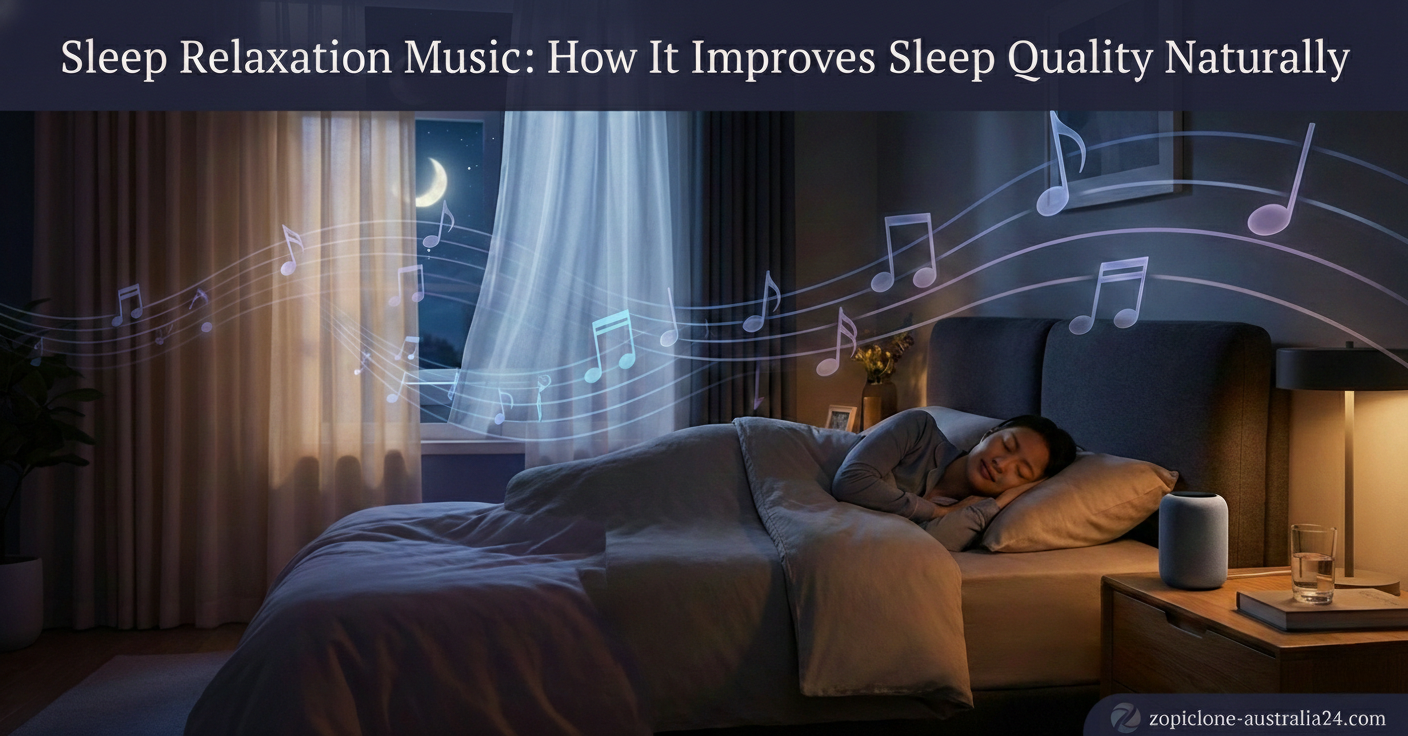
Start early. Begin playing your bedtime relaxation sounds about 30 minutes before you actually want to sleep. Use that time to dim the lights, put your phone across the room, and maybe stretch a bit. Let the music become part of your whole wind-down process.
Speaker or headphones? I use a small speaker on my nightstand. Some people prefer sleep headphones, especially with a partner who doesn’t want music. Just make sure they’re comfortable if you sleep on your side.
Be consistent. Your brain loves patterns and routines. If you use sleep relaxation music every night around the same time, your body starts recognizing it as a sleep signal. Like Pavlov’s dogs, except you’re training yourself to sleep instead of salivating.
Common Mistakes People Make
I screwed up plenty before figuring this out:
Picking music that’s too interesting. If the song has lyrics you know or it’s too complex, your brain perks up instead of powering down. Keep it simple and repetitive.
Blasting it too loud. I thought louder meant more effective at first. Wrong. Just kept me alert.
Expecting overnight miracles. This isn’t Ambien. Give it a week or two for your nervous system to catch on and recognize the routine.
Using your phone to control it right before bed. Set your playlist before getting into bed. That blue light from your screen wakes you up even if you’re trying to use a sleep app.
Who Should Use Sleep Relaxation Music?
Pretty much anyone, but especially:
Students stressed about exams and living on chaotic schedules. Wish I’d known about calming sleep music during college when I’d lie awake panicking about finals.
Working professionals whose brains won’t stop replaying work conversations at midnight. If you’re mentally answering emails at 1 AM, this is for you.
Anxious people with racing thoughts. Music gives your mind something neutral to land on instead of spinning out.
Light sleepers who wake up at every tiny sound. Consistent audio masks those disruptive noises.
Parents who finally get peace and need to fall asleep fast before the baby wakes up again.
If your brain feels like it has fifty browser tabs open at bedtime, you’ll probably benefit from this.
Frequently Asked Questions
Can sleep relaxation music help chronic insomnia?
It helps, especially when insomnia comes from stress or anxiety. But chronic insomnia often has deeper causes—medical issues, actual sleep disorders, long-term psychological stuff. Music is a solid supporting player, but combine it with good sleep habits, and maybe talk to a sleep doctor if problems continue.
How long should I listen before sleep?
Most people say 20 to 45 minutes hits the sweet spot. Start your music when you begin your bedtime routine, let it play as you drift off. Some set a sleep timer, others let it run all night.
Is it safe to use every night?
Yeah, completely. There’s no harm or addiction potential with sleep relaxation music nightly. You’re not going to become “dependent” in any unhealthy way—it’s just a positive sleep cue, like reading before bed or having a warm shower.
Can it improve REM sleep?
Music mainly helps you fall asleep and reach deep sleep stages, but when your overall sleep structure improves, REM cycles benefit too. Better sleep quality means better dream sleep.
Does it work for anxiety-related sleep problems?
Works surprisingly well for many people. Music activates your parasympathetic nervous system—the “rest and digest” mode—which counteracts the fight-or-flight panic response anxiety triggers. Won’t cure anxiety, but creates a calmer space for sleep to happen.
What if I share a bed with someone?
Get sleep headphones or talk to your partner. Lots of couples end up both enjoying the music. If not, a quiet speaker on your side or comfortable sleep headphones work fine.
Should I use the same playlist every night?
You can, and repetition actually strengthens that sleep signal. But if you get bored, switching between similar playlists is fine. Just keep the overall vibe consistent.
Can children use sleep relaxation music?
Absolutely, and tons of parents use it for kids who fight bedtime or have nighttime fears. Soft lullabies, gentle nature sounds, or simple instrumentals work great for little ones.
Final Thoughts: Creating Your Sleep Sanctuary
Here’s what I’ve figured out through my own sleep disaster phase: rest isn’t some luxury we squeeze in when convenient. It’s required. We’re living in a culture that worships being busy and treats sleep like weakness. But your body and brain need that downtime to repair, process everything, and reset.
Sleep relaxation music is one of the easiest, gentlest tools you can grab to take back your nights. Won’t fix everything instantly, but combined with decent habits—less screen time before bed, keeping your room cool, managing stress—it genuinely makes a difference.
Try it tonight. Pick a playlist, turn off the lights, and let yourself just be held by the sound. Your exhausted future self will be grateful. Mine certainly is.