


Zopiclone and Sleep Hygiene: Better Sleep with Medication
Look, if you’re reading this at 2 AM because sleep’s become a nightly battle, you’re definitely not alone. Half of Australia seems to be tossing around, unable to switch off. Your GPs have probably put you on zopiclone, and while it helps, you’re wondering if there’s more you should be doing. The short answer? Absolutely. Zopiclone and Sleep Hygiene need to work together—medication gives you a leg up, but the daily habits you build are what’ll keep you sleeping properly down the track.
How Zopiclone Works in Your Brain
Zopiclone basically tells your overactive brain to shut up and rest. It boosts GABA, which is your brain’s natural “calm down” chemical. Take it an hour before bed, and you’re usually out within half an hour.
But here’s the catch—doctors only prescribe it for a few weeks, maybe a month tops. Your body gets used to it pretty quickly, and then you’d need more for the same result. That’s rubbish long-term. Sorting out your actual sleep habits while you’re on it means you won’t be stuffed when you come off the pills.
Getting Your Sleep Habits Sorted
Forget all the Instagram wellness garbage about silk masks and meditation apps that cost thirty bucks a month. Real sleep hygiene is dead simple stuff that actually works.
Same Time Every Night, Every Morning
Your body’s got an internal clock that needs consistency. Crashing at midnight one night and 9 PM the next completely confuses it. Pick a bedtime and wake time that works seven days a week. Yeah, weekends too—I know that’s annoying, but your circadian rhythm doesn’t take Saturdays off. When you’re using zopiclone, this routine teaches your body when sleep’s supposed to happen naturally.
Fix Your Bedroom Situation
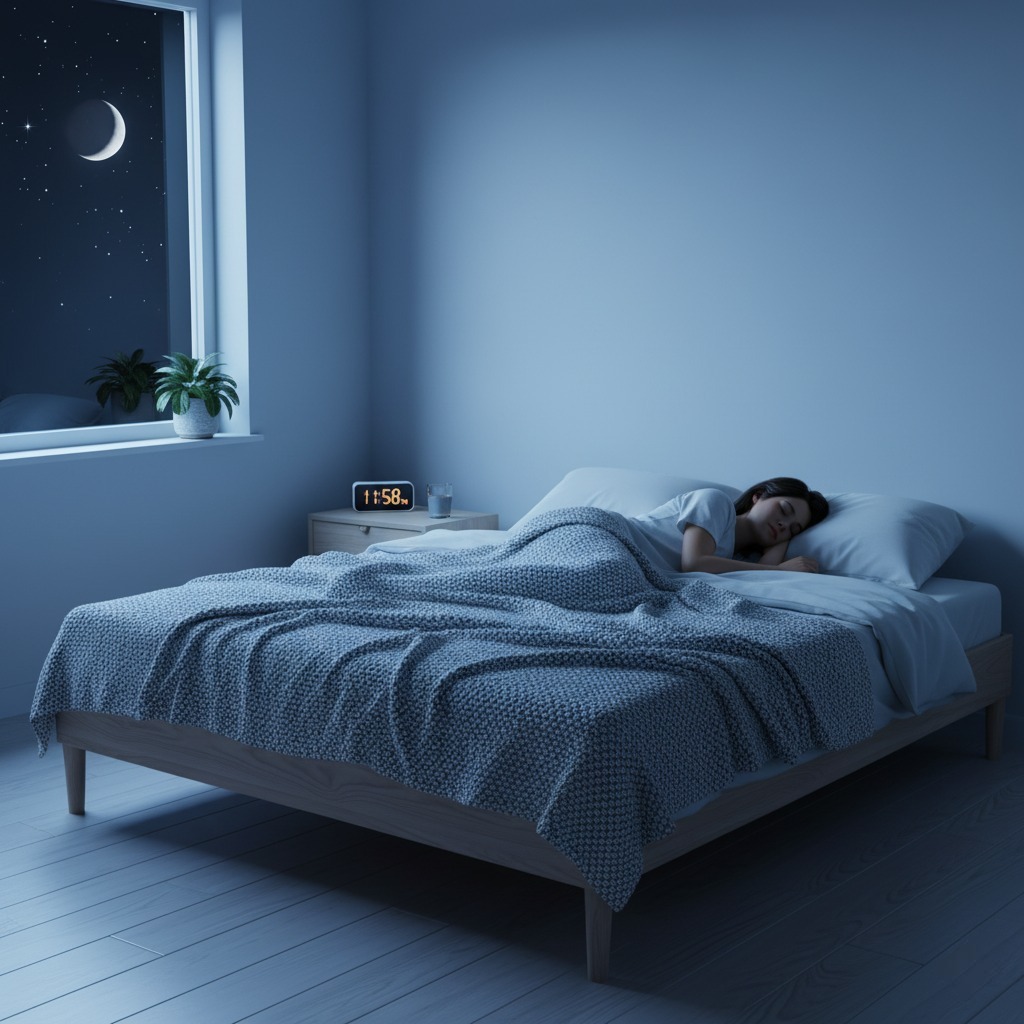
Your room needs to be for sleeping, full stop. Keep it somewhere between 18-20 degrees—cold enough that you need a blanket, but not freezing. Get proper blockout curtains if you’ve got streetlights shining in. If your partner snores or the neighbors are loud, earplugs or a white noise machine are worth the twenty bucks.
And seriously, phones need to stay out of the bedroom or at least across the room. That blue light messes with melatonin, which is exactly what you’re trying to encourage. No scrolling through Instagram “just for five minutes” at 11 PM.
What You’re Eating and Drinking Matters
That 3 PM coffee? Still in your system at bedtime. Caffeine hangs around for ages, so cut yourself off by early afternoon if you’re serious about sleeping better.
Alcohol’s worse than people think. Sure, a few drinks might make you drowsy initially, but you’ll wake up at 3 AM feeling rubbish, and it doesn’t mix well with zopiclone anyway. Just skip it while you’re on the medication.
Don’t eat a massive dinner right before bed, either. Your stomach grinding away trying to digest a steak and chips isn’t conducive to quality sleep. Eat earlier, or keep it light if you’re eating late.
Setting Up Your Wind-Down Time
Think of this as the transition between your day and sleep. You can’t go from checking work emails straight to unconscious—your brain needs time to shift gears.
Start winding down at least an hour before bed. What you do is up to you, but it needs to be relaxing:
- Hot shower or bath works brilliantly because when your body temperature drops afterward, it triggers sleepiness
- A bit of light stretching gets tension out
- Reading an actual physical book (screens don’t count)
- Quiet music that doesn’t require active listening
- Writing down tomorrow’s tasks so they’re not bouncing around your head
Take your zopiclone during this period, roughly 30-60 minutes before you want to be asleep. The medication hits its stride right as you’re finishing up your routine.
Dealing With the Mental Rubbish
Racing thoughts wreck sleep faster than anything else. Zopiclone might knock you out initially, but if you’re stressed or anxious, you’re fighting an uphill battle even with medication.
Try progressive muscle relaxation—tense up your feet for a few seconds, then release. Move up through your calves, thighs, stomach, all the way to your shoulders and face. Sounds weird, but physically relaxing your body often settles your mind too.
Keep a notebook next to your bed for brain dumps. When worries pop up, write them down to sort tomorrow. Getting them out of your head and onto paper genuinely helps your brain let go of them.
Exercise Timing and Sleep
Regular movement during the day dramatically improves sleep quality, but don’t do intense workouts right before bed. Running or hitting the gym within three hours of sleep time just revs you up when you need the opposite.
Morning or afternoon exercise is perfect. It helps set your body clock, burns off stress hormones, and creates proper physical tiredness. Even just walking half an hour daily makes a noticeable difference. You don’t need to become a gym junkie—just move your body regularly.
Watching for Progress and Adjusting
Keep tabs on how things are going. If you’re consistently sleeping better after a few weeks, chat to your doctor about slowly reducing the zopiclone. Never just stop taking it suddenly—that needs to be done gradually under medical supervision, or your insomnia will come roaring back.
Track basic stuff in a notebook: when you took your tablet, when you actually fell asleep, how many times you woke up, and how you felt in the morning. This information is useful when you and your doctor are figuring out the next steps.
Detailed guide on improving sleep hygiene and building sustainable bedtime routines
What Happens Long Term
Zopiclone’s a bridge, not a destination. The whole point is using it temporarily while you sort out the actual reasons you can’t sleep. The lifestyle stuff you’re putting in place now? That’s what keeps you sleeping well once the medication’s gone.
Some people find therapy specifically for insomnia helpful. CBT-I (cognitive behavioral therapy for insomnia) tackles the thought patterns and behaviors keeping you awake. Plenty of Australian psychologists do this, and you might get Medicare rebates for it.
Frequently Asked Questions
Can I take zopiclone every night indefinitely?
Nope, it's only meant for short-term use—usually a few weeks, maybe a month. Taking it every night long-term means your body gets tolerant, you'd need higher doses, and you risk dependence. Your doctor might suggest taking it only 2-3 nights weekly in some situations, but nightly use ongoing isn't the plan.
Will sleep hygiene alone work, or do I actually need medication?
Depends on how bad your insomnia is. Mild cases often respond fine to just fixing your habits. More severe insomnia usually needs zopiclone initially to break the cycle, then you transition to managing it through lifestyle alone. Your doctor can assess which category you're in.
How long after taking zopiclone should I be in bed?
Take it when you're already in bed or about to get in, making sure you've got a full 7-8 hours available to sleep. It kicks in within half an hour usually, so you should be settled and ready for sleep when you take it, not still pottering around the house.
Can I drink herbal tea while taking zopiclone?
Most herbal teas are fine, just nothing with caffeine, obviously. Chamomile or valerian tea fits nicely into a bedtime routine. Drink it 30-60 minutes before bed, though, so you're not waking up needing the toilet.
What if I still can't sleep after taking zopiclone?
Don't take another dose. If it's not working, call your doctor. It could be timing issues, lifestyle factors getting in the way, or you might need a different approach altogether. Never take more than prescribed—that's how people end up with serious problems.
Will I get the metallic taste everyone talks about?
Yeah, probably. Most people get a bitter or metallic taste that can hang around till morning. Keep water handy, brush your teeth properly, and some people reckon eating fruit in the morning helps clear it faster. It's annoying but harmless.
Can I exercise in the evening if I'm taking zopiclone?
Light stuff like walking or gentle stretching is fine. Don't do intense cardio or weights within 3-4 hours of bedtime, though—gets you too revved up. If evening's your only option for proper exercise, try finishing at least two hours before you take your medication.
How do I stop taking zopiclone without my insomnia returning?
Work with your doctor to reduce the dose gradually rather than stopping cold turkey. This tapering approach, combined with solid sleep habits you've already built, stops rebound insomnia from wrecking you. The lifestyle changes become your main support as the medication decreases.
Keeping Changes Realistic
Don’t try fixing everything overnight. Pick maybe two or three habits to nail first. Once those are automatic, add more. Trying to overhaul your entire life at once just leads to giving up when it feels overwhelming.
Give yourself some grace here. If you’ve had sleep problems for ages, they won’t vanish in a week. The combination of Zopiclone and Sleep Hygiene creates the right conditions for improvement, but your body needs proper time to relearn healthy patterns. It’s not quick, but it’s worth sticking with.
Notice what’s working and what isn’t. Celebrate the small wins—like falling asleep twenty minutes faster than before—and adjust the bits that aren’t helping. This isn’t about being perfect; it’s about gradually building sustainable habits that give you genuinely good sleep without needing pills forever.

Author: Darwin
Darwin has spent the better part of a decade writing about sleep problems and the medications used to treat them. Based in Melbourne, he’s become something of a specialist in explaining pharmaceutical information to ordinary Australians who just want a decent night’s rest…Read more