



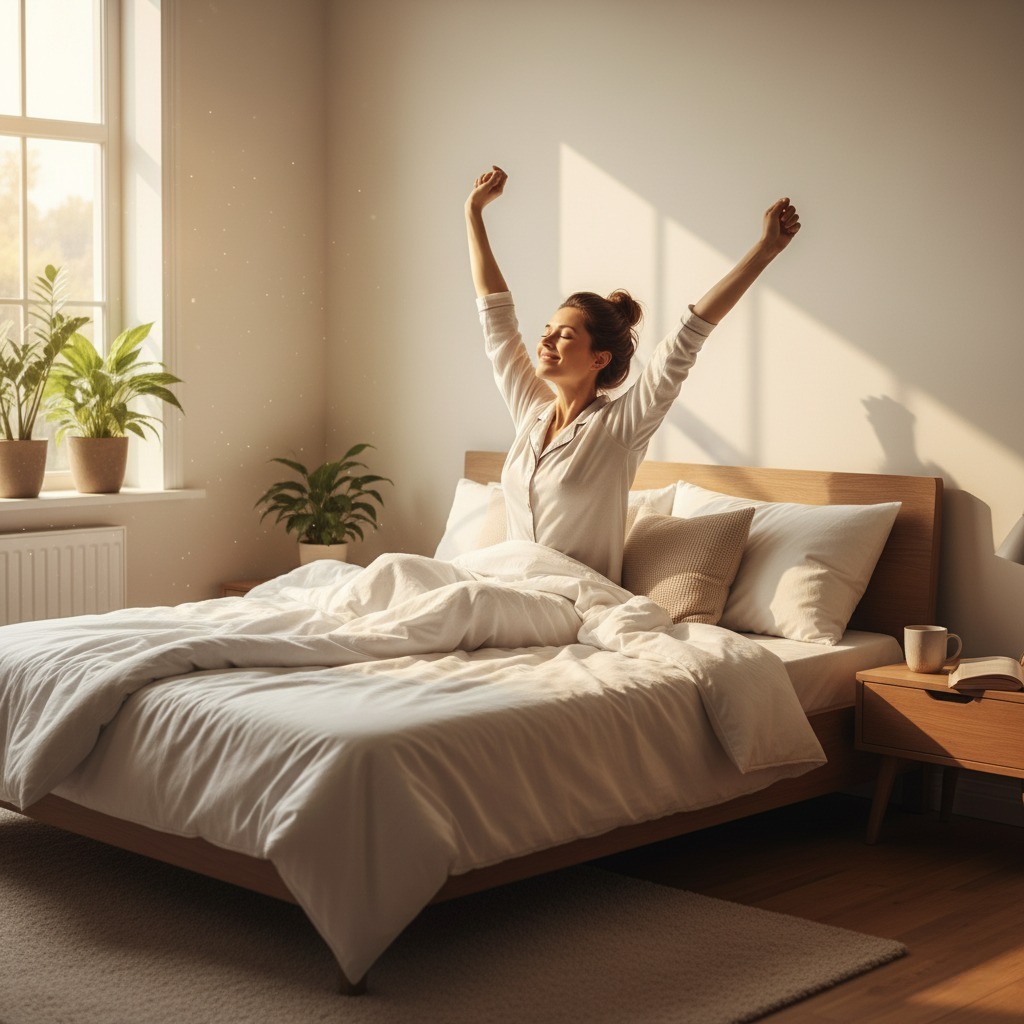
Better Sleep Tips: Simple Ways to Improve Rest and Wake Up Refreshed
Look, I’ll be straight with you – I used to be one of those people who’d lie awake until 2 am scrolling through my phone, then wonder why I felt like absolute rubbish the next morning. Sound familiar? After years of waking up groggy and cranky, I finally decided enough was enough. Turns out, getting decent sleep isn’t rocket science, but it does require some changes to how you approach your nights. These better sleep tips genuinely transformed how I rest, and honestly, I wish I’d figured this stuff out years ago.
The fact is, most of us treat sleep as if it’s optional. We’ll stay up binge-watching Netflix, have one more coffee at 4 pm, or bring our laptops to bed for “just five minutes” of work. Then we’re shocked when we can’t drift off or wake up feeling knackered. Your sleep deserves better than that.
Sort Out Your Bedroom (It’s Probably a Disaster Zone)
Right, let’s start with your bedroom because chances are, it’s not doing you any favor’s. I’m not talking about fancy Egyptian cotton sheets or a $3000 mattress – though if you’ve got the budget, go for it. I’m talking about the basics that cost next to nothing but make a massive difference.
Cool It Down
Your bedroom is probably too warm. Seriously. I used to sleep in what felt like a sauna because I thought being cosy meant being toasty. Wrong. Your body temperature drops naturally when you’re getting ready for sleep, so a cooler room actually helps this process along.
Somewhere between 16-19°C is the sweet spot. I know that sounds freezing, especially in winter, but trust me on this. During those brutal Australian summers, I’ve become a master of bedroom cooling. Frozen water bottles at the foot of the bed, fans pointing at the ceiling to circulate air, and even damp towels over the fan if it’s really dire. Whatever it takes.
Block Out Every Bloody Light
This was a game-changer for me. I mean every light – not just the obvious ones. That tiny LED on your phone charger, the digital clock, the hallway light creeping under your door. All of it.
Blackout curtains were the best investment I ever made, especially living on a main road where headlights sweep across the ceiling all night. If you’re renting and can’t install proper curtains, even a cheap eye mask does wonders. Just get used to the feeling first – took me about a week to stop fiddling with it.
Deal With the Noise
Whether it’s your neighbor’s dog, traffic, or your partner snoring like a freight train, noise ruins sleep. You can’t always control it, but you can mask it. I’ve got a cheap white noise app on an old phone that runs all night. Some people prefer earplugs, though I find them uncomfortable. Find what works for you and stick with it.
Get Your Timing Right (This Bit’s Crucial)
Here’s where most people stuff up – they think they can wing it with their sleep schedule. You can’t. Your body loves routine more than anything, and fighting against that is like swimming upstream.
Same Time Every Night (Yes, Even Weekends)
I used to be the person who’d go to bed at 10pm Monday to Thursday, then stay up until 2am on Friday and Saturday. Then I’d wonder why Monday mornings felt like death. Your body doesn’t understand weekends – it just knows patterns.
Pick a bedtime you can stick to seven days a week. If that means missing out on some late-night plans occasionally, so be it. Good sleep is worth more than another hour at the pub, trust me.
Wind Down Properly
You can’t expect to go from full-throttle work mode to dead asleep in five minutes. Your brain needs time to shift gears. I start my wind-down routine about an hour before I want to be asleep. Nothing fancy – just dimming lights, maybe reading a book, having a shower.
The key is avoiding anything that gets your brain fired up. No checking work emails, no intense TV shows, no heated phone conversations with your mate about last night’s footy match. Save all that for tomorrow.
What You Eat and Drink Actually Matters
This might be obvious, but I’ll say it anyway because so many people ignore it – what goes in your mouth affects how you sleep. Big time.
Coffee’s Not Your Friend After Lunch
I used to have my last coffee around 3 or 4 pm and couldn’t figure out why I’d lie awake until midnight. Caffeine hangs around in your system for hours – like, up to eight hours. That afternoon pick-me-up could still be buzzing through your veins at bedtime.
I cut my coffee off at midday, and the difference was immediate. Yeah, the 3 pm energy crash was rough for a few days, but my sleep improved dramatically. Worth the temporary suffering.
Booze Is a False Friend
A couple of glasses of wine might make you feel drowsy, but alcohol is terrible for sleep quality. You’ll fall asleep faster, sure, but you’ll wake up more during the night and feel ordinary in the morning. I’m not saying become a teetotaler, just maybe skip the nightcap if you want decent rest.
Don’t Go to Bed Hungry or Stuffed
Both extremes are rubbish for sleep. If you’re genuinely hungry, have something light – maybe some toast or a banana. But don’t demolish a massive meal right before bed either. Your body will be too busy digesting to focus on sleeping properly.
Stop Your Brain From Going Mental
This is where it gets tricky because sometimes the biggest enemy of good sleep is your own head. Racing thoughts, tomorrow’s stress, replaying embarrassing moments from 2003 – sound familiar?
Write It Down
Keep a notebook next to your bed and spend five minutes before sleep writing down everything rattling around in your head. Work stress, relationship drama, that thing you forgot to do today – all of it. It doesn’t need to be neat or make perfect sense. Just get it out of your brain and onto paper.
This sounds stupidly simple, but it works. Something about physically writing things down tells your brain it can stop holding onto all that information.
Learn to Breathe
I used to think breathing exercises were new-age nonsense until desperation made me try them. The 4-7-8 technique actually works: breathe in for 4 counts, hold it for 7, then breathe out for 8. Do that a few times, and your heart rate slows down, your body relaxes.
If counting feels stupid, just focus on making your exhales longer than your inhales. It triggers your body’s relaxation response or something – I don’t know the science, I just know it works.
Get Your Screens Under Control
This is probably the hardest part for most people because our phones have become like extra limbs. But the blue light from screens genuinely messes with your sleep hormones.
No Phones in the Bedroom
Radical idea, right? I bought a proper alarm clock and started charging my phone in the kitchen. The first few nights felt weird, but now I sleep so much better. No temptation to check Instagram at 2 am, no buzzing notifications, no bright screen lighting up the room.
If you absolutely must have your phone nearby, at least put it on airplane mode and use the night shift setting to reduce blue light.
Find Something Else to Do
Instead of scrolling before bed, find a replacement activity. I read actual books now – paperbacks, not e-readers. Or I’ll do some gentle stretching, listen to music, or just lie there thinking about random stuff. Anything that doesn’t involve a screen.
Move Your Body (But Time It Right)
Exercise helps you sleep better – this isn’t news. But timing matters more than you might think. I used to do intense workouts at 8 pm, then wonder why I was wired until midnight.
Finish any serious exercise at least three hours before bedtime. Your body temperature rises during exercise and takes time to come back down. Plus, all those feel-good endorphins are energising in the short term.
Light stretching or yoga before bed is different – that can actually help you relax and prepare for sleep.
Know When to Get Help
Sometimes, despite doing everything right, sleep still sucks. If you’ve tried these changes consistently for a month and you’re still struggling, don’t just suffer through it. Chat to your GP about what’s going on.
There are actual sleep disorders that need proper treatment – sleep apnoea, restless legs, and chronic insomnia. These aren’t character flaws or things you need to tough out. They’re medical conditions that respond to treatment.
There are actual sleep disorders that need proper treatment – sleep apnoea, restless legs, and chronic insomnia. These aren’t character flaws or things you need to tough out. They’re medical conditions that respond to treatment. For more comprehensive information about sleep disorders and resources available in Australia, check out the Sleep Health Foundation Australia
Frequently Asked Questions
1. How long before I actually notice a difference?
Most people see some improvement within the first week, but real change takes about a month of being consistent. Don't expect miracles overnight – your body needs time to adjust to new habits.
2. Should I go to bed really early or wake up really early?
Neither – just be consistent with whatever times work for your life. I go to bed at 10:30 pm and wake up at 6:30 am every day. My mate goes to bed at midnight and wakes up at 8 am. Both work fine as long as you stick to the same schedule.
3. What about naps – good or bad?
Short naps (20-30 minutes) before 3 pm are fine if you need them. But if you're having trouble sleeping at night, skip the naps and use that tiredness to help you sleep better when bedtime comes around.
4. My room gets stupidly hot in summer – any tricks?
Frozen water bottles at your feet, fans pointed at the ceiling, wet towels draped over chairs, and opening windows on opposite sides of the room for cross-breeze. I've also seen people put their pillowcases in the freezer for 10 minutes before bed.
5. Do those sleepy-time teas actually work?
Some people swear by chamomile tea or magnesium supplements, but honestly, the biggest factor is probably just having a relaxing bedtime ritual. If sipping tea helps you wind down, go for it. Just don't expect it to knock you out.
6. What do I do when I wake up at 3 am with racing thoughts?
Don't lie there getting frustrated. If you're awake for more than 20 minutes, get up and do something boring in dim light – read a dull book, do some gentle stretching, listen to quiet music. Go back to bed when you feel sleepy again.
7. Is sleeping with the TV on really that bad?
Yeah, it's pretty bad. The changing light and sound keep your brain partially alert all night. You might fall asleep to it, but you won't get quality rest. If you need background noise, try a white noise machine or app instead.
8. When should I actually see a doctor about this?
If you've consistently tried good sleep habits for a month and you're still struggling, or if your partner says you stop breathing in your sleep, or if you're falling asleep during the day despite getting enough hours at night. Don't just put up with terrible sleep – there might be something fixable going on.
Final Point
Look, I’m not going to sugarcoat it – changing your sleep habits takes effort and patience. Some nights you’ll still lie there wide awake despite doing everything right, and that’s normal. But stick with it. After months of implementing these better sleep tips consistently, I can honestly say my life has improved in ways I didn’t expect. Better mood, clearer thinking, more energy for the stuff that actually matters. Start small, be patient with yourself, and remember that every night of good sleep is an investment in a better tomorrow. Your pillow’s calling – time to put this advice into action.

Author: Darwin
Darwin has spent the better part of a decade writing about sleep problems and the medications used to treat them. Based in Melbourne, he’s become something of a specialist in explaining pharmaceutical information to ordinary Australians who just want a decent night’s rest…Read more